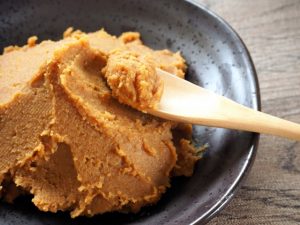
Yomi てまえみそ Rōmaji temae miso Type idiom Literal Meaning this-side miso Meaning I’m afraid this may sound boastful, but; Sorry, let me brag about something Additional Info People use this expression when they want to brag about something but don’t want to sound modest and not too cocky or boastful. This is a very advanced phrase and so not commonly heard in daily conversations. It is said to originate from the common practice in the old days: people used to proudly talk about how good and unique their homemade miso is. Example 手前味噌になりますが、 拙著が100万部売れました。 I’m afraid this may sound boastful, but my book has sold a million copies. Related Post…Read More
空元気 (karagenki)
Yomi からげんき Rōmaji karagenki Type idiom Literal Meaning empty energy Meaning be pretending to be fine/energetic/cheerful Additional Info 空 (から, “empty”) + 元気 (げんき, “fine/energetic”) Example 「とても幸せだよ」と彼女は笑顔で言っていたけれど、空元気だった気がして心配だ “I’m very happy”, she said with a smile. But I’m worried about her because I felt she was just pretending to be fine. Related Post 5 Meanings of 気 (ki) and 30 気-related Japanese PhrasesRead More
言霊 (kotodama)
Yomi ことだま Rōmaji kotodama Type noun Literal Meaning language soul Meaning positive or negative effects that a spoken or written word can have (or the belief that such power dwells in a word) Additional Info The influence can be either positive or negative. This concept is similar to 引き寄せの法則 (“law of attraction”). Example 言霊になるから「もし負けたら」なんて言うな Don’t say “If I lose” because it’ll become kotodama (≒ you don’t want to jinx it)Read More
裏目に出る (urame ni deru)
Yomi うらめにでる Rōmaji urame ni deru Type idiom Literal Meaning The opposite side of the dice appears Meaning backfire; work against; unexpectedly have a negative effect Synonym 期待に反する Example 流れを変えるために監督が選手を何人か交代したが、裏目に出た To change the momentum, the head coach replaced some players but it backfired.Read More
猫も杓子も (neko mo shakushi mo)
Yomi ねこもしゃくしも Rōmaji neko mo shakushi mo Type idiom Literal Meaning cats and rice spatulas Meaning everyone; every Tom, Dick, and Harry Synonym どいつもこいつも; 全員 Additional Info It is often used ironically, especially when there are too many people who blindly follow the same trend. More details are found in the post below. Japanese Idiom 猫も杓子も: “Cats and Rice Spatulas” Example 近年は猫も杓子も大学に行く In recent years, everyone goes to university. Related Post 8 Funny and Cute Japanese Cat IdiomsRead More
- « Previous Page
- 1
- …
- 5
- 6
- 7
- 8
- 9
- …
- 21
- Next Page »